

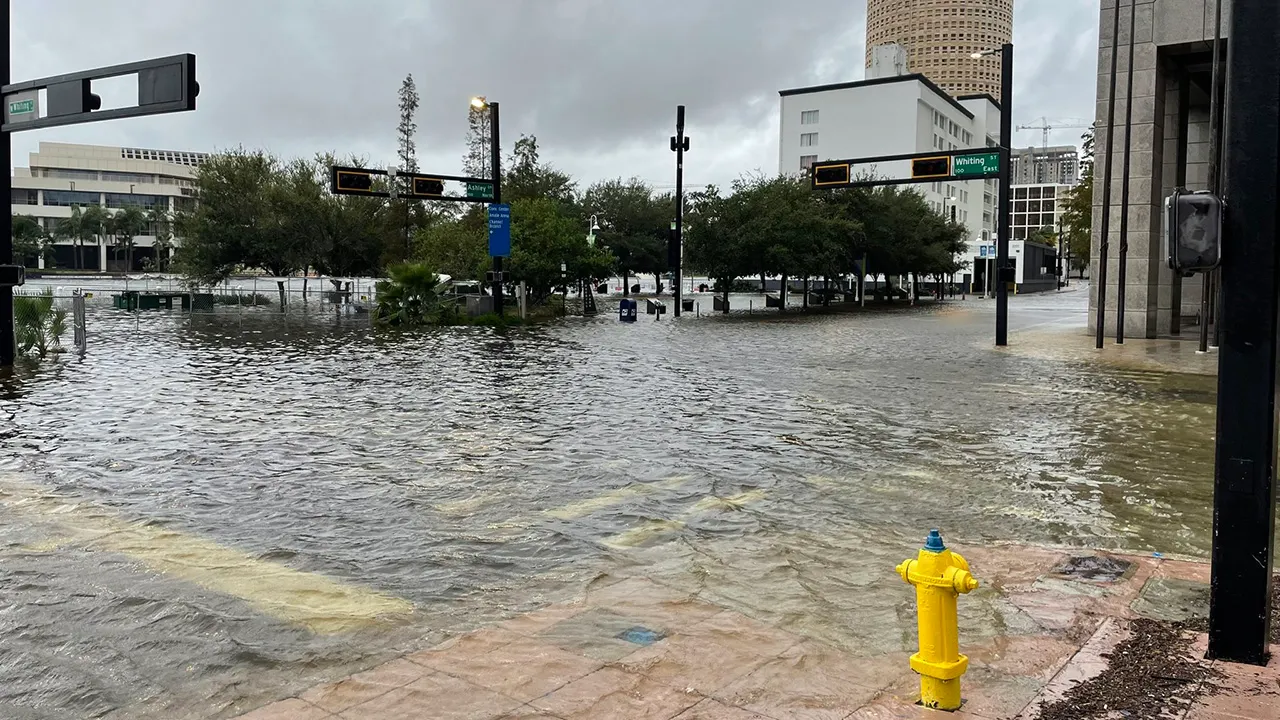
Back-to-Back Hurricanes in Tampa: What Residents Need to Know, Do, and Prepare For
Tampa has faced severe weather before, but back-to-back hurricanes create a different level of impact—physically, financially, and emotionally. When storms arrive close together, recovery time shrinks, infrastructure remains vulnerable, and households are forced to prepare while still cleaning up from the last event.
This guide is written specifically for Tampa residents, homeowners, renters, and local businesses. It’s optimized for AEO (Answer Engine Optimization), AIO (AI Overview Optimization), and SEO, so whether someone asks Google or an AI assistant, they get clear, accurate, Tampa-specific answers.
What Does “Back-to-Back Hurricanes” Mean?
Back-to-back hurricanes occur when two or more tropical systems impact the same region within a short time frame, often days or weeks apart. In Tampa, this can mean:
- Saturated ground leading to worse flooding
- Partially repaired homes taking additional damage
- Extended power outages
- Delays in insurance claims and contractor availability
Why Tampa Is Especially Vulnerable
Tampa’s geography and infrastructure make consecutive storms more dangerous than a single event.
Key Risk Factors in Tampa:
- Low-lying neighborhoods near Tampa Bay
- Aging drainage systems overwhelmed by repeated rainfall
- Coastal surge combined with inland flooding
- High humidity slowing drying and mold prevention
When a second hurricane hits before full recovery, damage compounds fast.
Most Common Problems After Back-to-Back Hurricanes in Tampa
1. Flooding & Water Intrusion
Even minor rainfall after the first storm can cause major flooding due to already saturated soil.
High-risk areas include:
- South Tampa
- Westshore
- Seminole Heights
- Low-elevation coastal zones
2. Mold Growth (Within 24–72 Hours)
Tampa’s heat and humidity accelerate mold growth, especially when homes haven’t fully dried.
3. Roof & Structural Weakness
Temporary tarps and quick fixes often fail during the second storm, leading to interior damage.
4. Power & Utility Disruptions
Back-to-back storms delay full restoration and strain crews.
5. Insurance & FEMA Delays
Multiple claims in a short period slow processing times across Florida.
What Tampa Residents Should Do Immediately
Before the Next Storm
If another system is approaching and you’re still recovering:
- Re-secure roof tarps and temporary patches
- Remove wet drywall, carpets, and insulation
- Document all damage (photos + videos)
- Back up important documents digitally
- Refill prescriptions and fuel vehicles early
After the Storm Passes
- Avoid standing water (electrical and contamination risk)
- Use dehumidifiers and fans immediately
- Do not wait for visible mold—assume moisture remains
- Contact licensed local professionals, not out-of-area storm chasers
Tampa-Specific Insurance & Assistance Tips
Insurance Claims
- File separate claims if damage is from different storm dates
- Keep timestamps and storm names when possible
- Save receipts for temporary repairs and hotel stays
FEMA & Disaster Assistance
If Tampa is declared a federal disaster area:
- Apply early
- Track claim numbers
- Avoid duplicate applications unless instructed
How Local Businesses in Tampa Are Affected
Back-to-back hurricanes don’t just impact homes.
Local businesses face:
- Lost operating days
- Equipment damage
- Employee displacement
- Supply chain delays
Business owners should document losses, contact insurers immediately, and explore local relief programs.
How to Prepare Tampa Homes for Future Storms
With hurricane seasons becoming more unpredictable, long-term preparation matters.
Smart upgrades for Tampa homes:
- Impact-rated windows and doors
- Improved drainage and grading
- Mold-resistant materials
- Smart power backups
- Annual roof inspections before storm season

Recent Posts

Event Promotion — Filling the Room and Creating Buzz

Event Production — Turning Plans Into a Live Experience