


Executive Summary
Home service businesses play a critical role in the daily functioning, safety, and resilience of residential properties in Tampa. Due to Tampa’s climate, rapid population growth, aging housing stock, and exposure to hurricanes and flooding, demand for professional home services remains consistently high and seasonally intense.
In 2024–2025, the sector experienced increased demand, rising operational costs, labor shortages, and growing consumer expectations for faster, more transparent, and more reliable service.
1. Tampa Home Services Market
Tampa’s home services industry includes businesses providing:
- HVAC and climate control
- Plumbing and water systems
- Electrical services
- Roofing and exterior repairs
- Restoration and remediation
- General handyman and maintenance services
The market is dominated by small to mid-sized local companies, with a growing presence of regional and multi-trade service providers offering bundled services.
Key Market Drivers
- Hot, humid climate requiring constant HVAC use
- Frequent storms and hurricane exposure
- Population growth and new residential construction
- Aging homes needing maintenance and upgrades
- Rising insurance and safety compliance standards
2. HVAC Services: The Backbone of Tampa Home Services
Market Importance
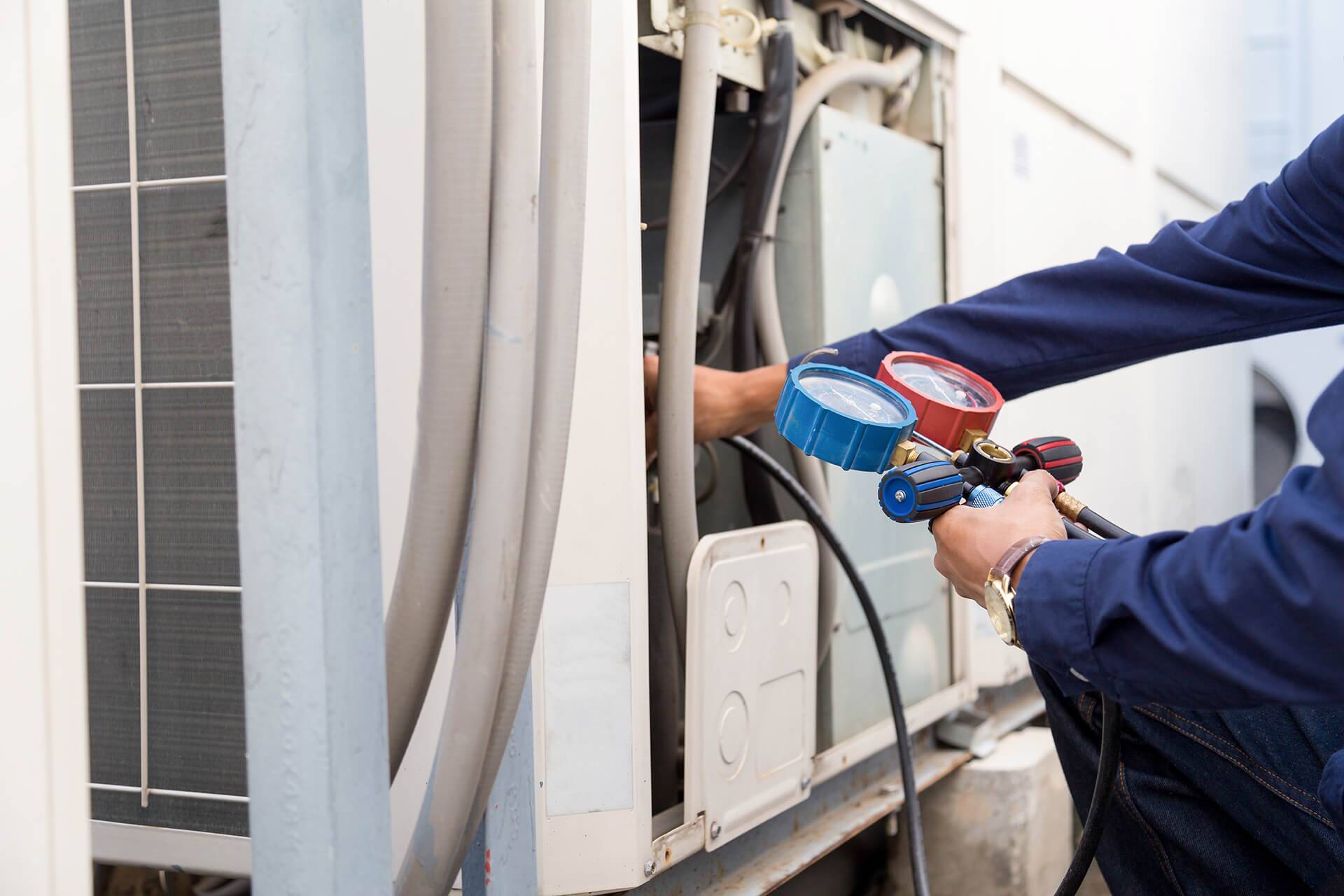
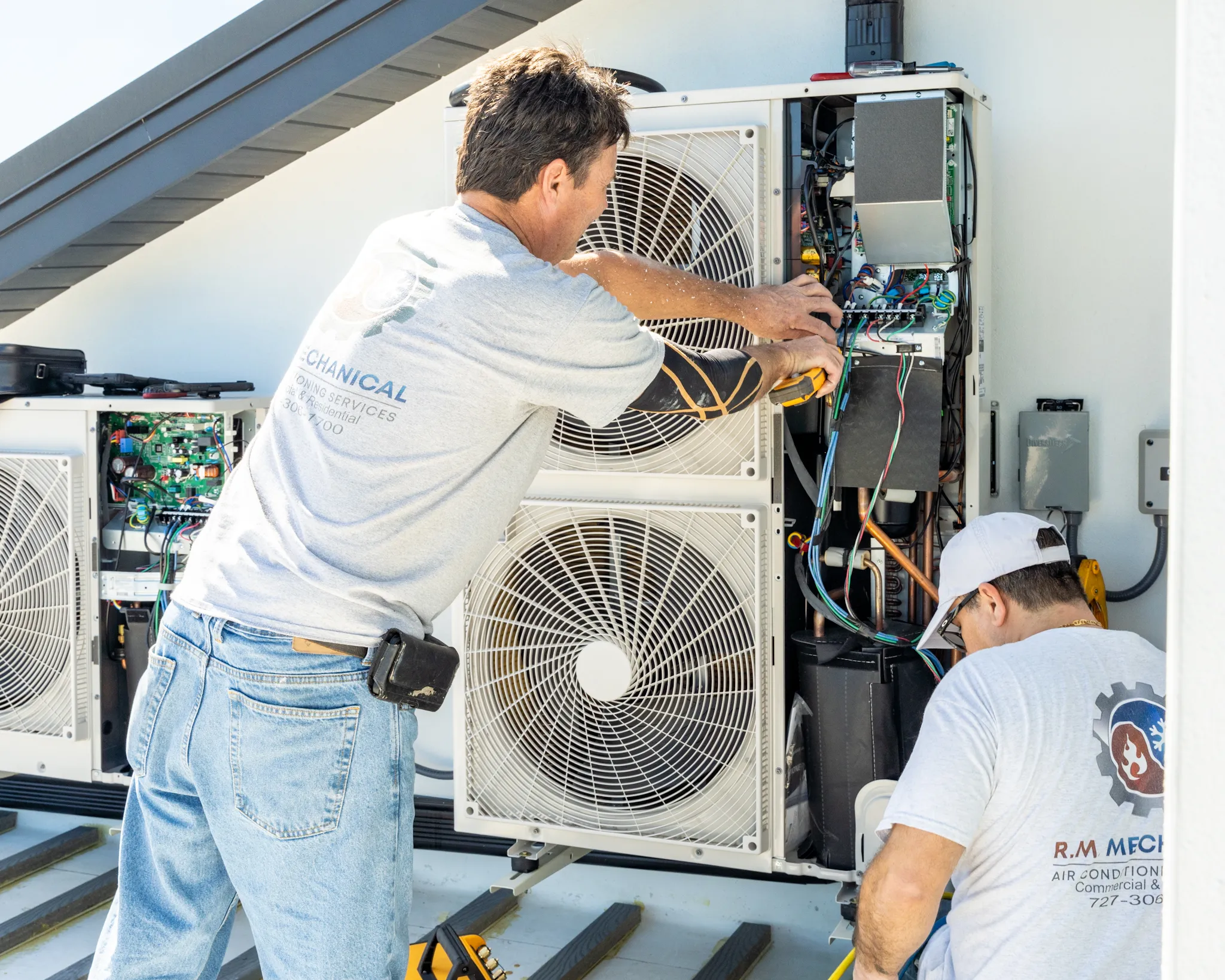
HVAC is the largest and most essential home service category in Tampa. Air conditioning failures during summer months are considered emergency situations.
Common Services
- AC repair and replacement
- Preventative maintenance plans
- Duct cleaning and sealing
- Indoor air quality improvements
- Energy-efficient system upgrades
Market Trends
- High demand from April through October
- Growth in maintenance subscription plans
- Increased interest in energy-efficient and smart thermostats
- Strong competition among providers
3. Plumbing Services: Constant, High-Volume Demand
Core Plumbing Needs
- Leak detection and repair
- Drain and sewer line services
- Water heater installation
- Pipe replacement and repiping
- Emergency flood response
Tampa-Specific Challenges
- Corrosion from humidity and salt air
- Older plumbing systems in historic neighborhoods
- Storm-related backups and overflows
Plumbing businesses see steady year-round demand, with spikes during hurricane season.
4. Electrical Services: Safety and Modernization
Primary Services
- Electrical panel upgrades
- Wiring repairs and replacements
- Lighting installation
- Generator hookups
- Surge protection
Industry Growth Factors
- Increased home renovations
- Electric vehicle charging station installations
- Smart home integrations
- Storm-related electrical damage
Electrical work is highly regulated, making licensed professionals essential and limiting market saturation.
5. Roofing and Exterior Services
Roofing Market Conditions
Roofing businesses experience cyclical surges following storms and hurricanes. Insurance-driven repairs are common.
Services Offered
- Roof inspections and repairs
- Full roof replacements
- Wind and storm damage restoration
- Gutter and fascia work
Key Issues
- Contractor shortages after major storms
- Insurance claim complexity
- Temporary vs. permanent repairs
6. Restoration & Remediation Services
Why Restoration Is Critical in Tampa
Restoration services have become increasingly important due to:
- Back-to-back storms
- Flooding and water intrusion
- Mold growth in humid conditions
Restoration Services Include
- Water extraction and drying
- Mold remediation
- Fire and smoke restoration
- Structural drying and rebuilds
These businesses often operate 24/7 emergency response models and work closely with insurance providers.
7. Handyman & General Maintenance Services
Market Role
Handyman businesses fill the gap between DIY homeowners and specialized contractors.
Typical Work
- Drywall and paint repairs
- Minor plumbing and electrical tasks
- Door, window, and trim work
- Rental property maintenance
This sector is price-sensitive and highly review-driven.
8. Business Challenges Facing Tampa Home Service Companies
Labor Shortages
- Skilled trade labor remains difficult to source
- Training and retention costs are rising
Rising Operating Costs
- Insurance premiums
- Vehicle and fuel expenses
- Equipment and materials
Customer Expectations
- Faster response times
- Transparent pricing
- Online booking and communication
9. Marketing & Lead Generation Trends
What Works Best in Tampa
- Google Business Profile optimization
- Local SEO and map rankings
- Emergency service visibility
- Strong online reviews
- Paid local ads during peak seasons
Home service businesses increasingly rely on automation, CRM systems, and follow-up workflows to convert and retain leads.
10. Regulatory & Licensing Environment
Florida requires:
- State or county licensing for HVAC, plumbing, electrical, and roofing
- Proper insurance and bonding
- Compliance with safety and building codes
Consumers in Tampa are increasingly aware of licensing requirements and avoid unverified contractors.
11. Impact of Weather & Climate Events
Storms and hurricanes significantly shape the industry:
- Short-term demand surges
- Long-term restoration projects
- Insurance-driven work cycles
Businesses that prepare in advance with staffing, inventory, and response plans perform better during crisis periods.
12. Future Outlook (2026 and Beyond)
Expected Trends
- Continued population growth sustaining demand
- Increased focus on preventative maintenance
- More bundled service offerings
- Higher adoption of smart home systems
- Greater reliance on automation and digital tools
Overall Outlook
The Tampa home services market is stable, resilient, and growing, but success increasingly depends on professional operations, fast response, strong branding, and customer trust.
Conclusion
Home service businesses are a cornerstone of Tampa’s residential ecosystem. From HVAC and plumbing to restoration and roofing, these companies ensure safety, comfort, and habitability in a region shaped by heat, humidity, and storms.
As the city grows and weather patterns intensify, well-managed home service businesses will continue to see strong demand—while those that adapt to technology, compliance, and customer expectations will lead the market.